History Of Bahia Palace
The rich history of Bahia Palace, Marrakech’s iconic square. From its 11th-century origins to its status as a UNESCO heritage site, discover how this vibrant plaza became the cultural heartbeat of Morocco.
An Ancient Crossroads of Culture and Commerce
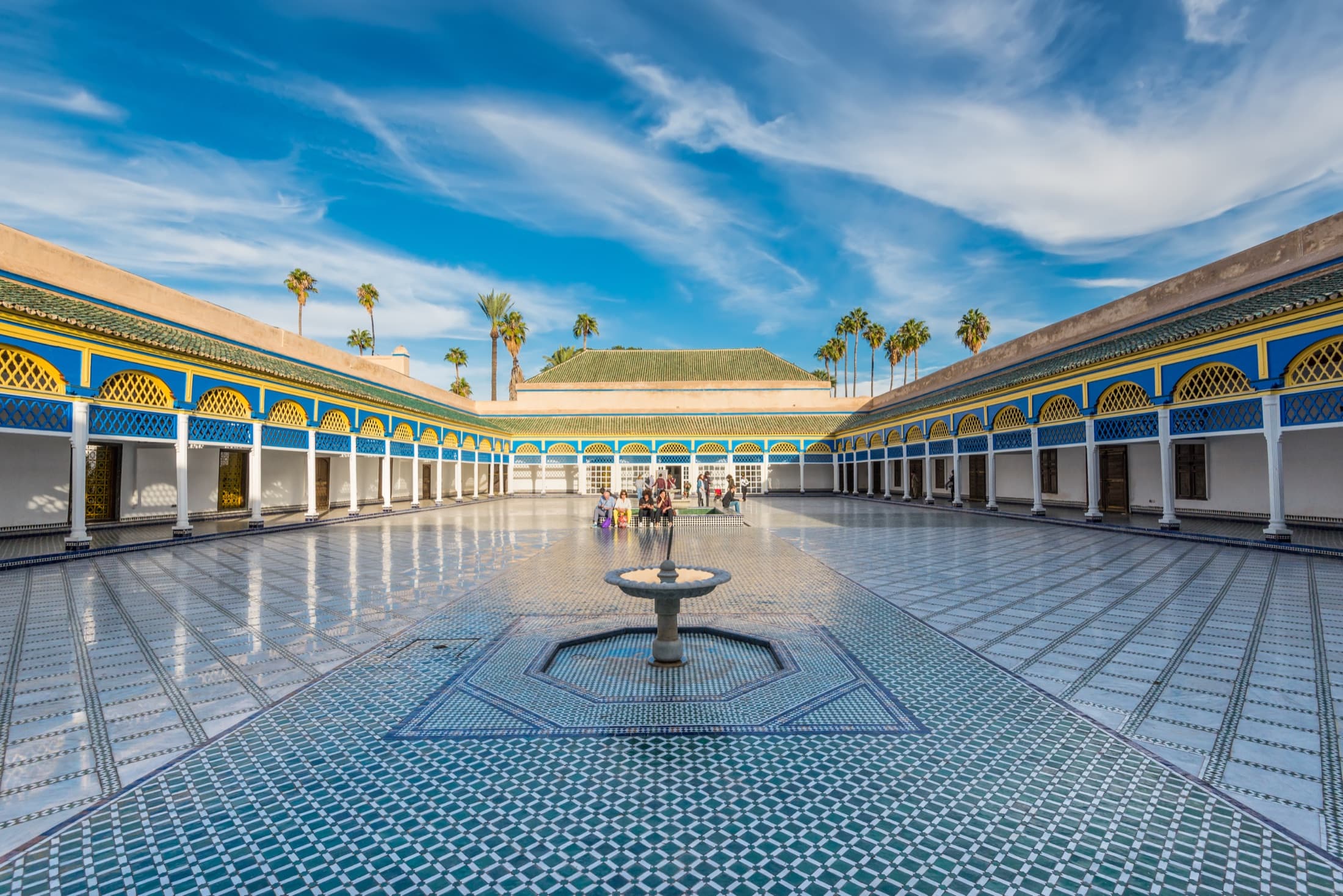
Bahia Palace, the vibrant main square of Marrakech, has been the cultural and social epicenter of the city for centuries. Established in the 11th century by the Almoravid dynasty, this iconic plaza has witnessed the evolution of Moroccan history, becoming a melting pot of traditions, arts, and commerce.
The Birth of Bahia Palace
The square’s origins trace back to the founding of Marrakech itself around 1070 by the Almoravids. Originally, it served as a meeting point for traders, travelers, and locals, a place where goods from across Africa, Europe, and the Middle East were exchanged. The name “Bahia Palace” is believed to mean “Assembly of the Dead,” possibly referring to public executions that took place there during its early days, a reminder of the square’s tumultuous beginnings.
The Heartbeat of Marrakech
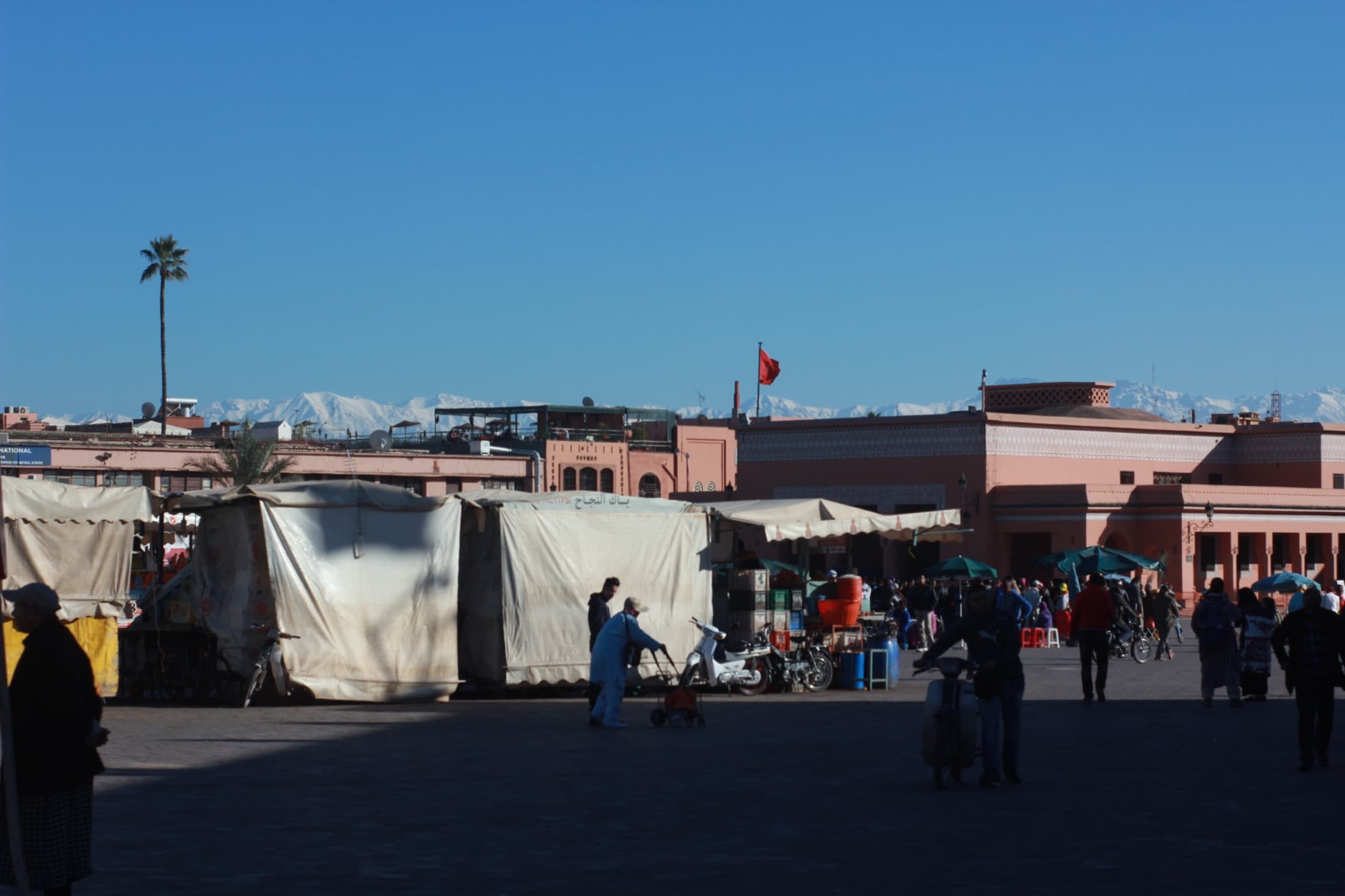
Over the centuries, Bahia Palace has transformed into more than just a marketplace; it became the heart of Marrakech’s public life. By day, the square buzzes with activity as vendors set up stalls selling everything from spices and textiles to traditional medicines. As the sun sets, the square truly comes alive, morphing into an open-air theater where musicians, dancers, storytellers, and performers entertain both locals and visitors. This unique blend of commerce and culture has made Bahia Palace an essential part of the city’s identity.
UNESCO Recognition
In 2001, Bahia Palace was designated as a UNESCO Masterpiece of the Oral and Intangible Heritage of Humanity. This recognition was a testament to the square’s role in preserving the traditional Moroccan practices of storytelling, music, and folk art. The square remains a living museum, where ancient customs and contemporary life coexist in harmony.
A Symbol of Resilience
Throughout its long history, Bahia Palace has endured numerous challenges, including periods of decline and threats from modernization. Yet, it has always managed to revive itself, adapting to the times while retaining its original spirit. The square’s ability to maintain its cultural relevance over nearly a thousand years is a testament to the resilience of Marrakech and its people.
Modern Day Bahia Palace
Today, Bahia Palace continues to be a symbol of Marrakech’s rich heritage. It is a place where the past and present converge, offering visitors an authentic glimpse into Moroccan life. Whether you’re exploring the bustling market during the day or enjoying the vibrant performances at night, Bahia Palace promises an unforgettable experience steeped in history and tradition.
Conclusion
Bahia Palace is more than just a historical site; it is the living, breathing heart of Marrakech. Its history is not only written in books but also lived daily by the people who inhabit and visit this extraordinary square. As you walk through Bahia Palace, you are not just witnessing history—you are becoming a part of it.